Amused Bouche 007
Bite-sized if not biting commentary. In this issue: the real World Cup battle is not on the pitch; a three Michelin starred restaurant loosens its tie; ChatGPT creates my footballer love child + more.

Welcome to Amused Bouche, a monthly round-up of bite-sized musings on the things that caught my eye, crossed my path or got a bit between my teeth.
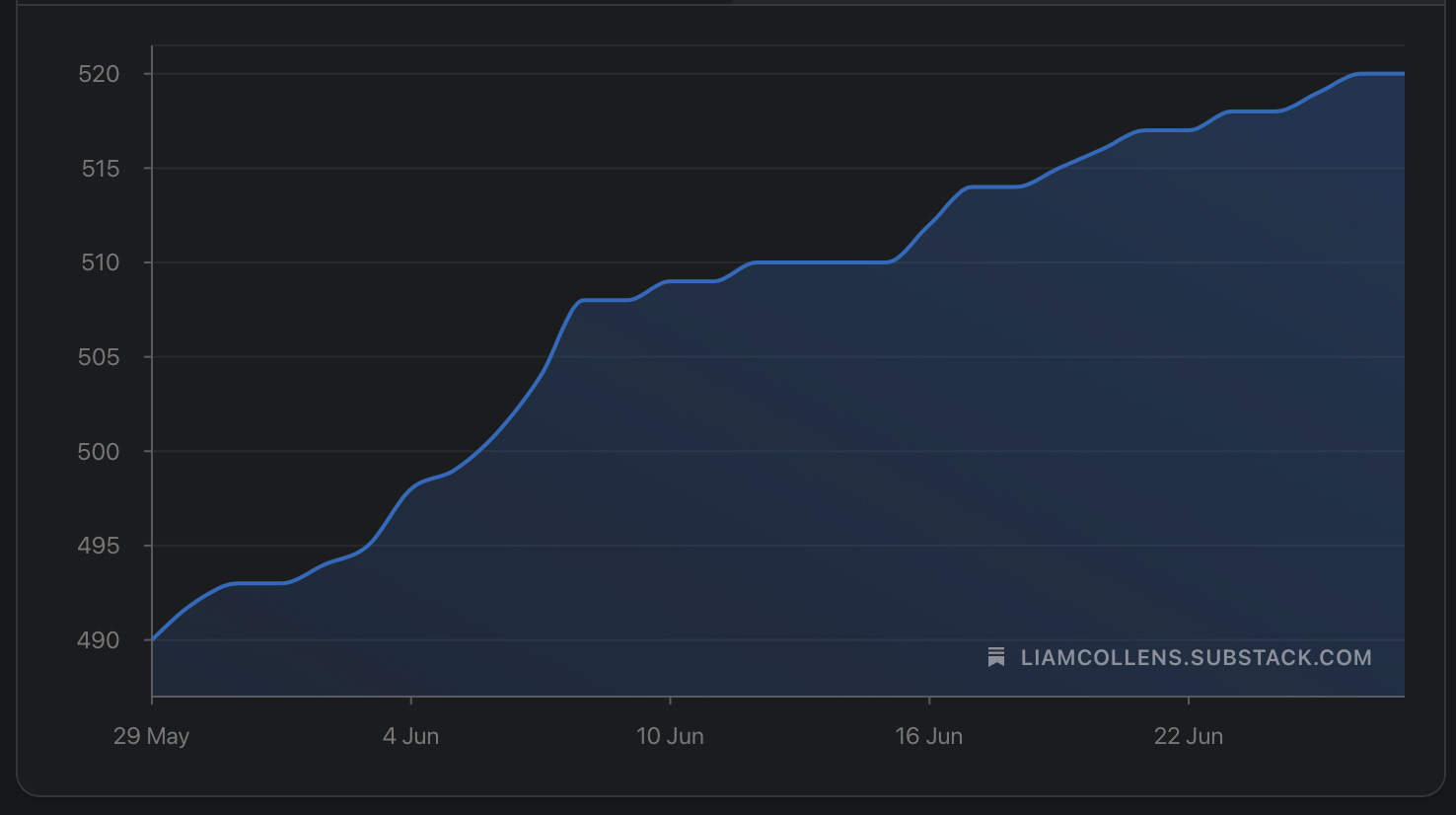
Crossing 500 subscriptions.
Before going further, a quick thank you. Since the last edition, this Substack account crossed 500 subscribers, helped in no small part by a review of The Devonshire dispatched into the wild. Crossing 500 subscribers is a peculiar milestone. It is simultaneously insignificant by internet standards and far larger than I ever imagined. Whether you’ve been here since the early days or arrived recently, welcome and thank you again.
Does Portuguese Wine Offer the Best QPR?
Portuguese wine is still wildly overlooked IMO, offering some of the best quality-to-price ratios (QPR) in the wine world. Konstantin Baum MW agrees, recently posting a video exploring Portuguese wine and tasting seven bottles in the process — lucky man. I recommend giving it a watch below. If you find yourself in the Algarve, seek out Wines&Co. Their tasting masterclasses are excellent, and they do a fine job championing smaller Portuguese producers.
When in Rome: must World Cup fans embrace American tipping?
Life is a funny thing. We want to be good travellers who do not crash-land into another country demanding that everything bend around us. We learn to eat later in Spain, no cappuccinos after 11 am in Italy, on pain of death, and we smile gratefully in the face of a Parisian waiter’s abject disdain. We are commanded to respect local culture, follow its customs and remember that we are guests.
Then we arrive in America where the card machine asks for 20, 25 or 30 per cent. Suddenly, “When in Rome” comes at a price and stirs a debate.
World Cup visitors in the United States are reportedly leaving little or nothing for restaurant staff, prompting some businesses to add automatic gratuities to bills.
This has gone down like a cup of cold sick.
American servers and restaurant owners say overseas visitors need to understand how the system works. Foreign tourists reply that paying employees is an issuuue, not an “ish-me”.
Trump might tell you: there are very fine people on both sides.
Travellers are often enthusiastic about local customs when those customs are charming, picturesque or inexpensive. We admire long Mediterranean lunches and Japan’s fetish for vending machines. But romance is never unconditional.
A tip is presented as optional, but it is expected. It is described as a reward for exceptional service, but in reality, it is the payroll nakedly offloaded onto the customer.
The World Cup neatly exposes the contradiction. America is welcoming the world, only to discover that the world outside has opinions. Visitors are told to respect the local order. Fair enough. But Americans should also admit that tipping is not simply one of its quaint national customs, like mustard with hot dogs and marginalising women’s reproductive rights.
So, yes, World Cup visitors should tip while in the United States. Not because the arrangement makes sense, and not because every foreign custom deserves reverence, but because the person serving the table should not suffer in the protest.
“When in Rome” still applies. It just becomes much less poetic when Rome hands you a tip jar and waits.
If you like Amused Bouche, you may like the full-fledged reviews and other periodicals. Why not subscribe below!
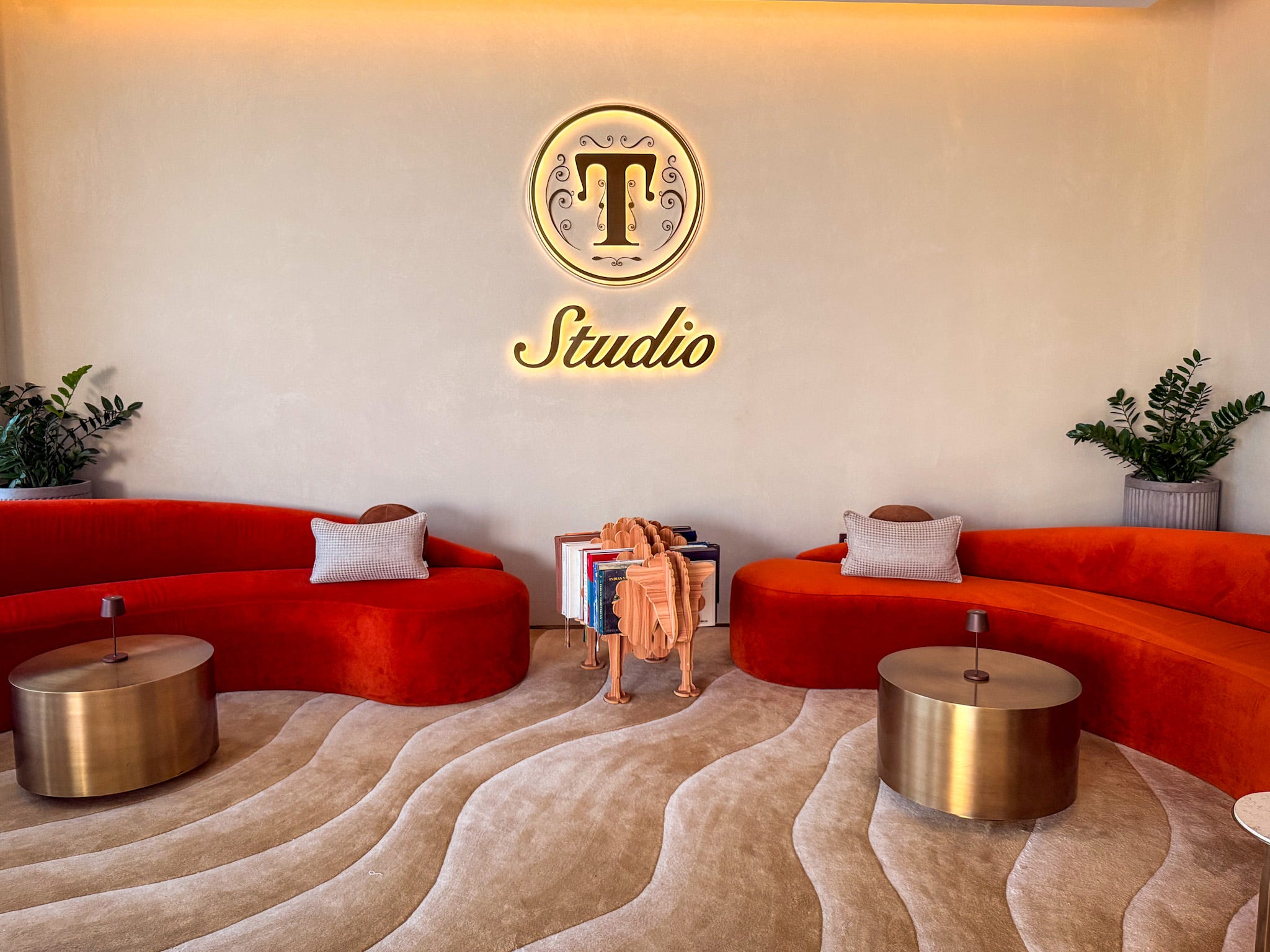
Trèsind Studio x 1004 Gourmet collaborations.
I have enjoyed watching Trèsind Studio loosen its tie. As you know, I know them well.
The first event was a collaboration with 1004 Gourmet, a Korean-leaning grocer and distributor, that asked a simple question: what happens when Indian food develops a Korean accent?
The occasion gave the kitchen permission to play, and what stood out was the nimble sense of experimentation. This felt like a three-Michelin-starred restaurant giving itself a sandbox.
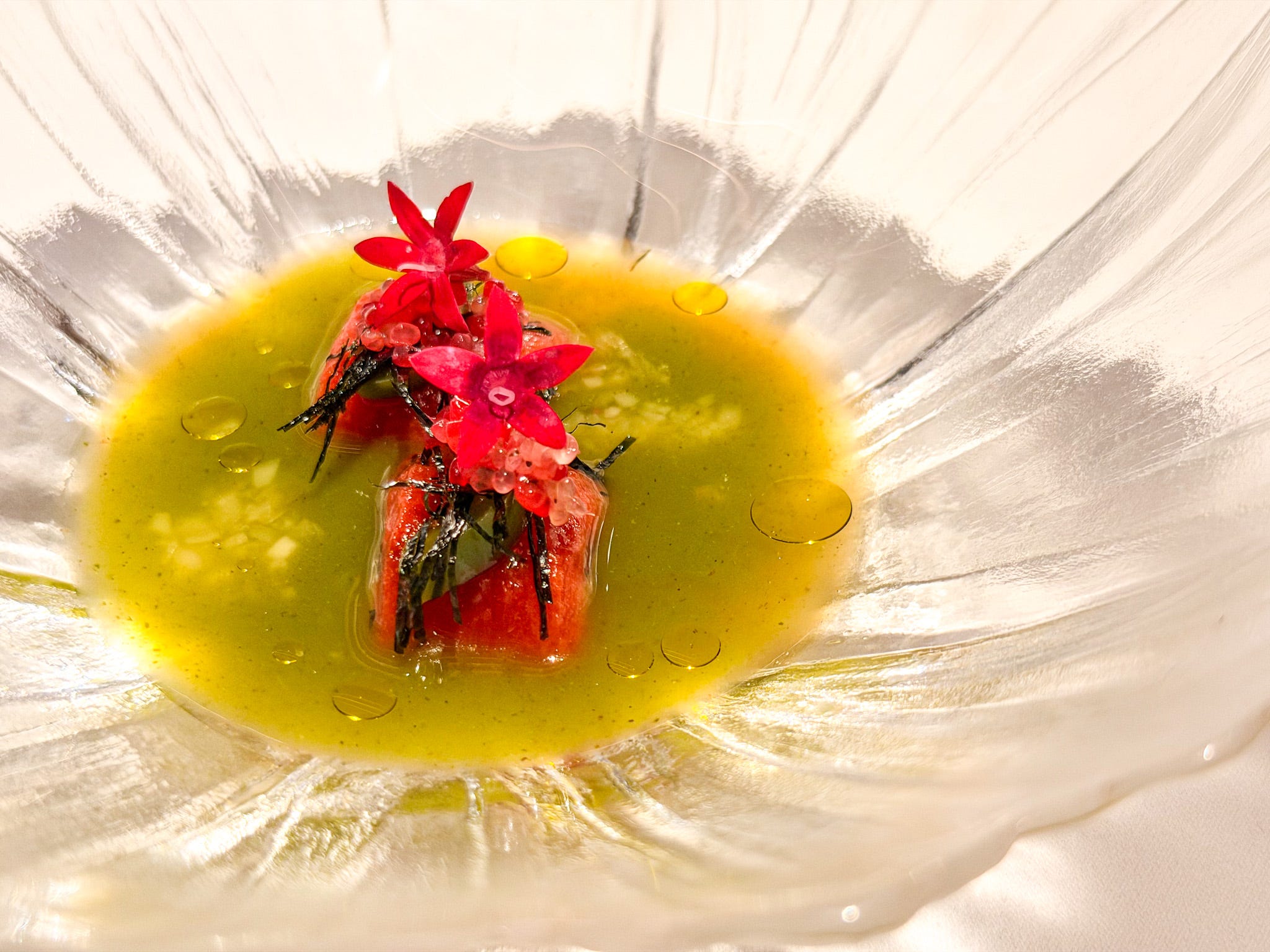
A kombu-infused watermelon tiradito with the texture of a tuna sashimi wallowing in a kiwi aguachile; a ‘ssam’ nasturtium leaf folded like a taco over a prawn and salsify coated in a ssamjang ghee roast; and a homely rust red lobster claw khichdi that reminded me of a Portuguese seafood rice.
The second event was a standing Sunday affair with cocktails, industry faces, and a far more sophisticated casualness than the word “brunch” usually implies in Dubai. Alongside cocktails from Mimi Kakushi came a parade of snacks, larger dishes and a preview of the burger from sibling concept 10/10 Burger.
The chatter around the room was unanimous: Trèsind Studio should do more of this.
There is something fascinating about watching a finely tuned three Michelin-starred machine step away from formality. Not because it makes the restaurant more accessible, although it does, but because it reveals what happens when world-class kitchens are allowed to have a little fun.
Hospitality’s Soul Kitchen: Girl and the Goose and 21 Grams
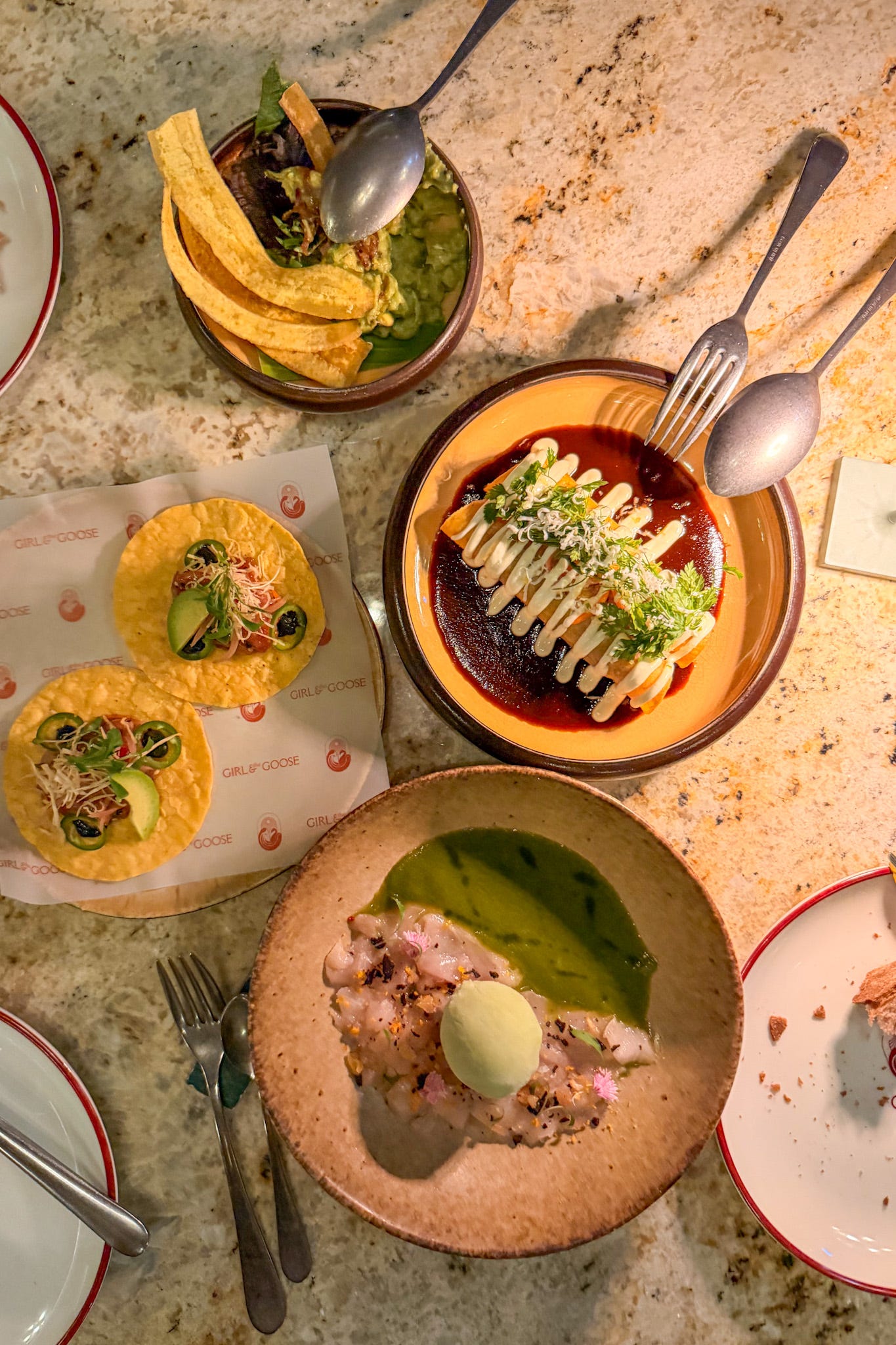
The Industry Takeovers continue. Since the last Amused Bouche, I found myself at Girl & the Goose and my beloved 21 Grams, two restaurants united less by cuisine than by personality.
Girl & the Goose is the restaurant of Chef Gabriela Chamorro, known to most as Gigi, who leads with warmth first and cooking second, although she can certainly cook! The room reflects her, as does the food: a summer balm of hamachi aguachile with jalapeño sorbet, crunchy duck confit flautas and grilled Costa Rican steak with plantain tacos.
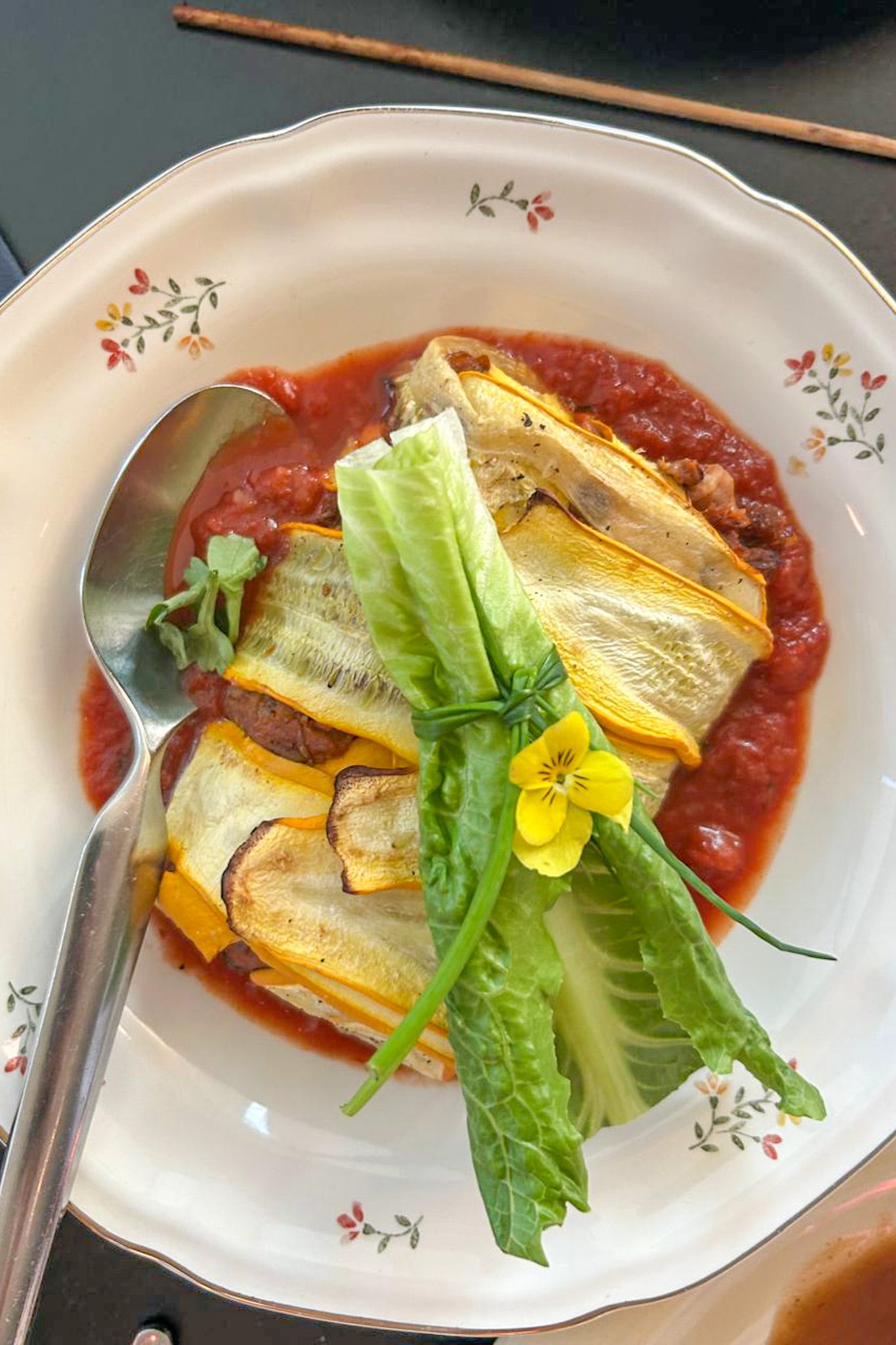
Then came 21 Grams, one of the restaurants I recommend more than almost any other in Dubai. Generations of diners worked their way through breads, dips and grilled meats while I demolished the wagyu ćevapi kebabs and a summer moussaka of lentils wrapped in yellow courgettes. My son, meanwhile, remained faithful to his diet of magenta-stained pickled onions and sliced oranges.
21 Grams takes its name from the famous experiment that proposed the human soul weighs 21 grams.
One restaurant takes its name from the notion of the soul, but both radiate it. They serve very different food, yet both are built on the foundations of genuine human connection. Not saccharine polished service or marketing campaigns, but the sort that turns regulars into friends, strangers into tablemates and dining rooms into communities.
That, more than anything, is what the Industry Takeovers have become.
There is more to enjoy in Piedmont and Dubai.
My Piedmont restaurant guide is bigger and better than ever, with new additions and a growing exploration of Turin.

Also, feast your eyes on a recently updated Definitive Guide to Dubai’s Restaurants.

ChatGPT, but make it fashion.
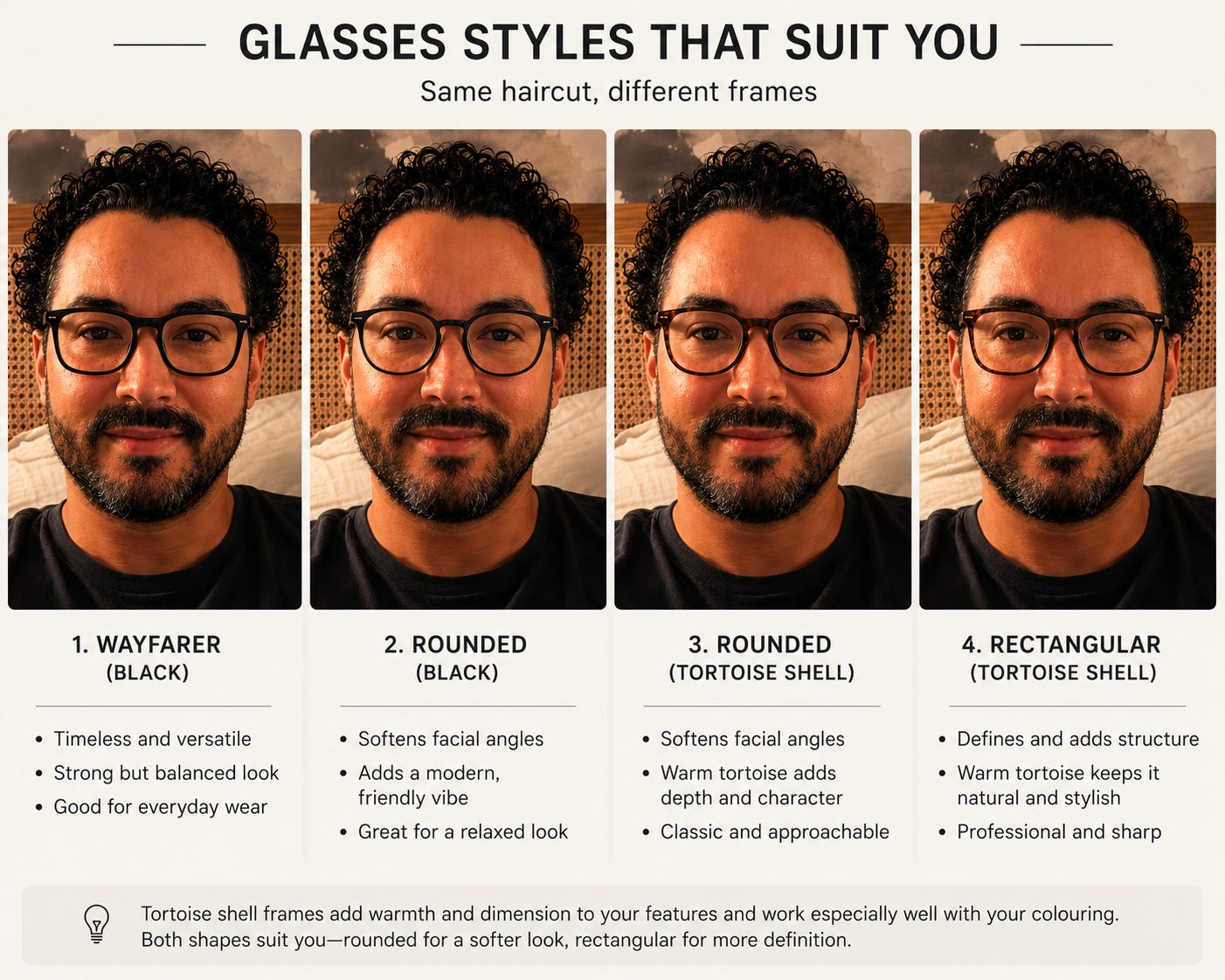
Five years after my last pair, it’s time to buy some new frames. I loathe the decision process, so I asked ChatGPT to recommend glasses to me, whereupon I uploaded a photo of myself. It seemingly took the liberty of cutting 15 years off me, added a tan and finally answered the question - what if Mo Salah and I did actually have that baby?
Links and Lists.
Get your copy of The Rise of Indian Food here.
Read The London 100: a list of restaurants tied to loyalty, love and ritual, as recommended by you.
Read Restaurants in Piedmont: Michelin Stars, Enotecas & Local Gems Across Monferrato, Asti, Alba & Turin.
Support The Places We Love: Dubai’s Community-Led Favourites.
Deep dive in neighbourhoods like Jumeirah Lakes Towers and Dubai Hills, two Dubai dining hotspots IMO.
Discover Why Bread Is Not A Course.
Some of the World’s Greatest Dining Spaces.
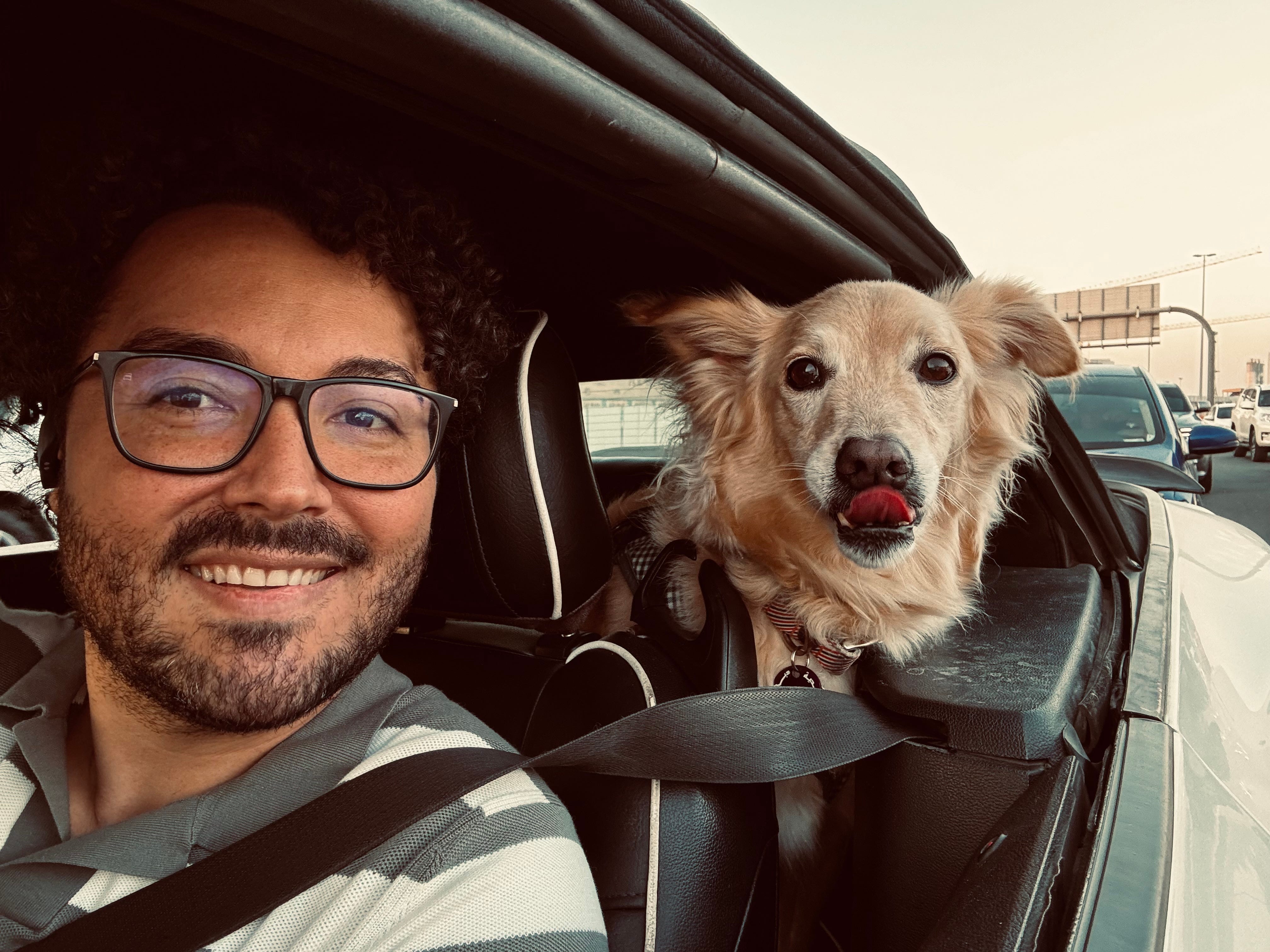
Liam is a food and travel writer based in the Middle East. He co-authored The Rise of Indian Food: Recipes Reimagined by Trèsind Studio, out now and available here. Published by Phaidon Press. Photography by Shresth Maloo. He owns EatGoSee and contributes to other publications. You can find Liam on Substack, Threads and Instagram.
*Not pictured in Tresind Studio lobby, author's son sleeping behind the couch.