Something for the Weekend: The Long Dark Summer
My son is waiting for his friends to return in September. So are Dubai’s restaurants. Neither of them knows if they will.

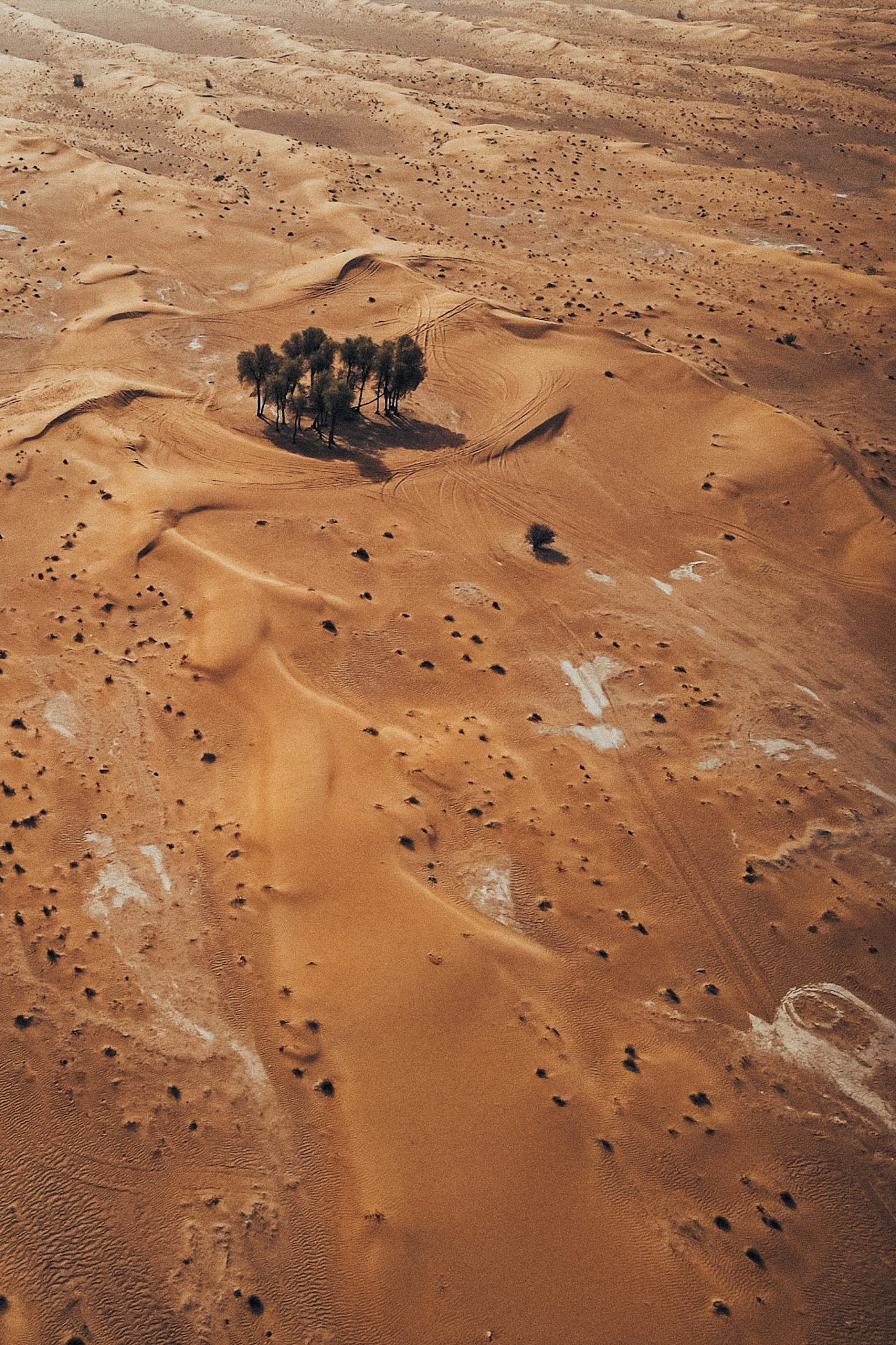
I glance down at my car thermostat while driving to work, and it confirms what I can already feel. It is 42 degrees Celsius outside and climbing.
I just dropped my son off at nursery, where his little legs ambled the short distance between the car and the playroom door, when his tiny voice broke to say, “It’s too hot, Dada”.
He’s not wrong.
Dubai’s schools are on the cusp of breaking up, and with the change of seasons comes The Great Migration.
Families are packing. The wives and children of Dubai’s expansive expatriate workforce return to wherever they call home: London, Beirut, Mumbai, Cape Town. Often, but not always, men stay behind — the so-called “Dubai Bachelors”, metering out annual leave, joining their families in shorter stretches — to congregate during evenings and weekends. Often, not eating out at all.
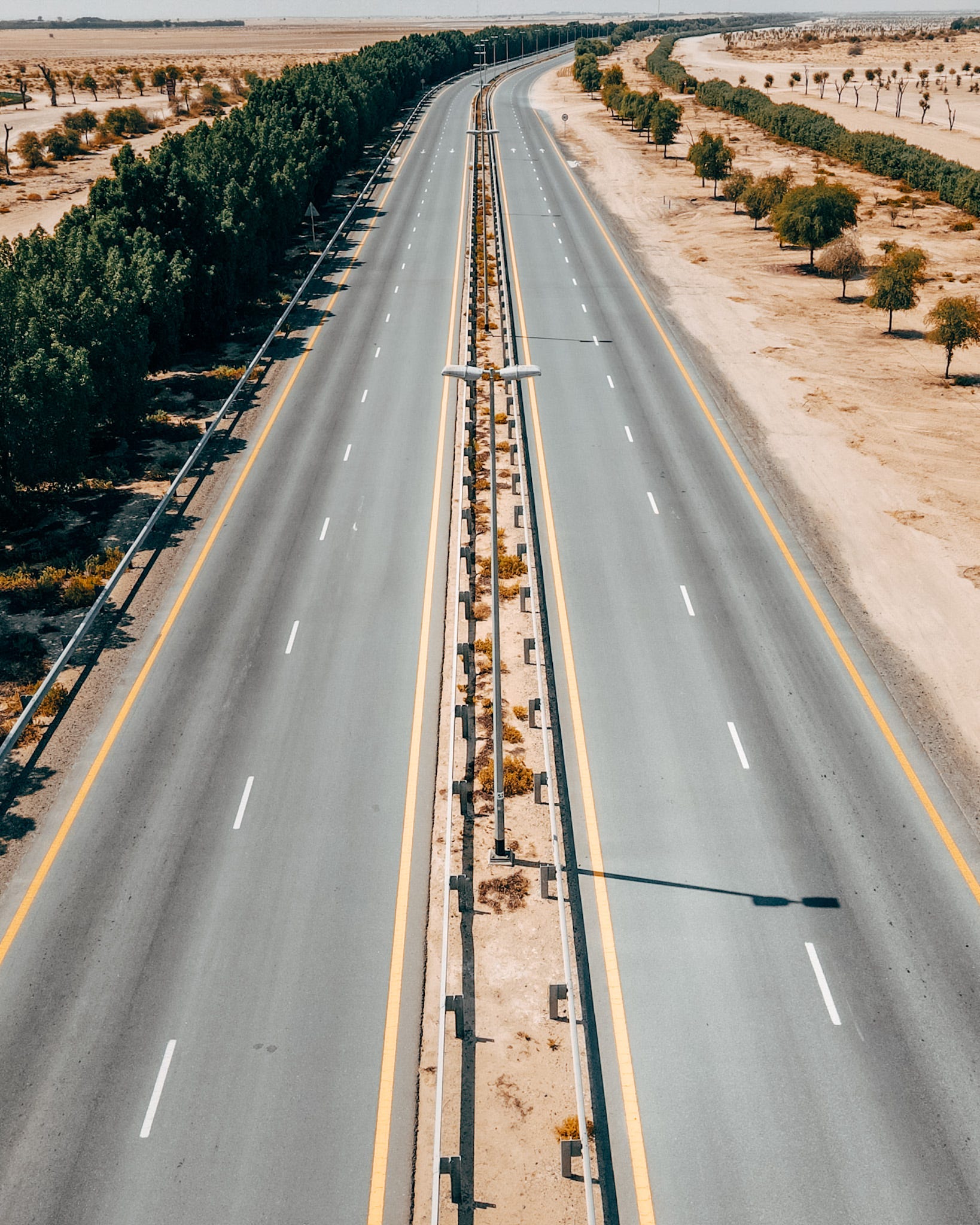
This is, for drivers, the most wonderful time of the year. The roads are empty. Parking blooms with abundance. The city breathes a sigh of relief from congestion. But for Dubai’s restaurants, the annual exodus is not a relief. Here, under the blazing desert sun, an oppressive, familiar extreme reveals itself.
You won’t be surprised to know that, like clockwork, summer comes every year.
Savvy restaurateurs know to make hay while the winter sun shines. But 2026 has been the hardest year for Dubai’s hospitality industry since COVID.
That is the consensus forming in conversations I have been having over the past several weeks — nay, months — and some people with whom I have spoken will go further than that while nervously fidgeting their fingers and breaking eye contact.
What this year produced is something more insidious: a slow haemorrhage following a sudden wound.
March and April, some of the most profitable months in the hospitality calendar, were lost. The regional conflict chilled inbound tourism, coinciding with Eid al-Fitr, a time when the lure of Dubai is contagious. When Saudis, Qataris and other visitors who pour in were grounded. Residents stayed home or spent cautiously, anxious about what was happening in the skies from beyond the border.
Restaurants found themselves staring at empty dining rooms during the weeks that were supposed to save them. The cost-cutting was brutal.
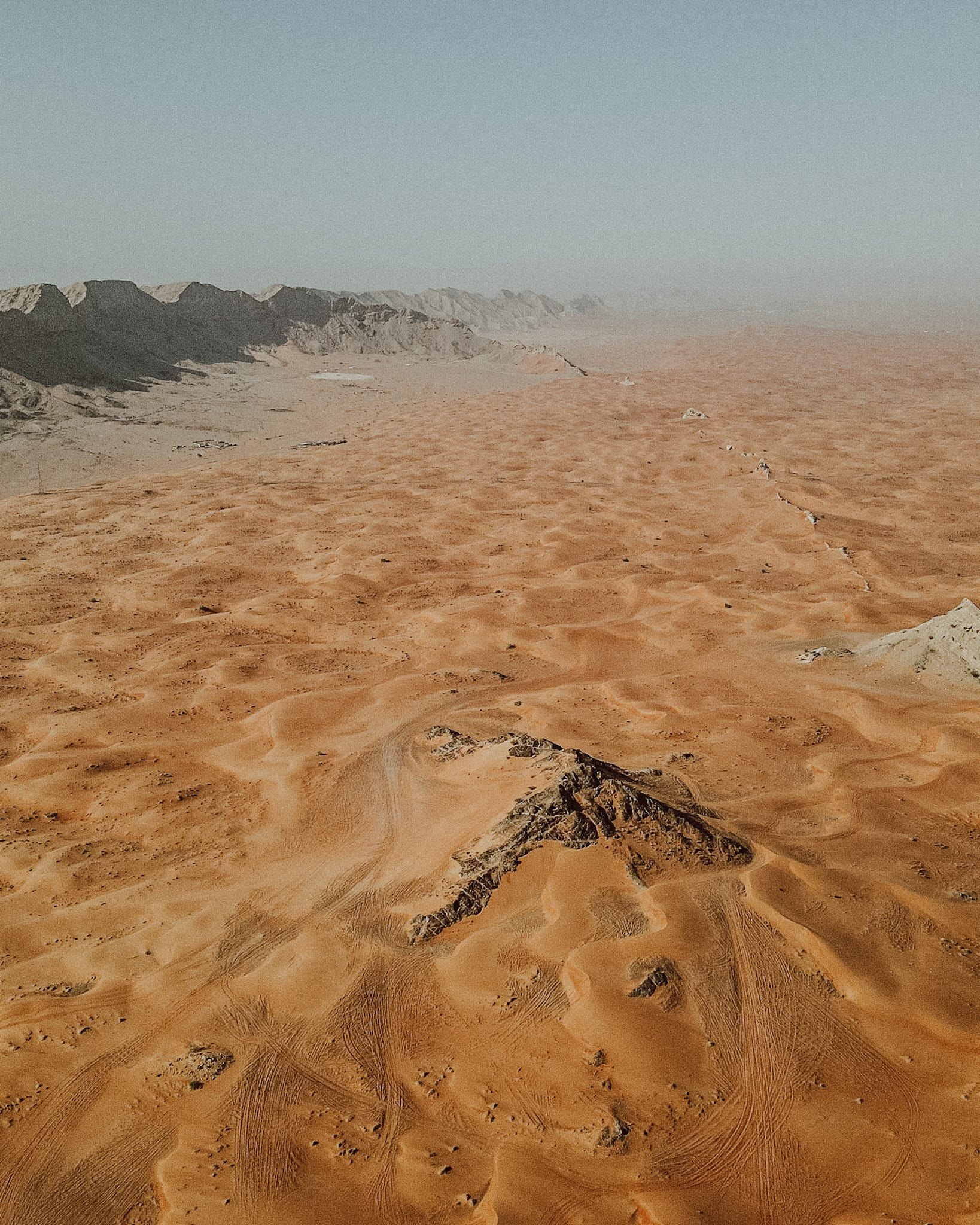
Now along comes summer. The long dark summer.
It is a temporal reality of doing business in this city: when the temperature sits at 42 degrees and climbing, when the school gates close, when the flight paths out of Dubai International fill with families heading north, east, or west, the footfall simply disappears. The Dubai Bachelor does not book a table for one at a mid-market restaurant on a Tuesday evening (coincidentally, often Ladies’ Night).
Instead, he orders in or he goes somewhere to spend less, or he goes home early to sit under the air conditioning and wait for September.
Yes, September. A code that carries enormous weight in conversations about Dubai’s recovery. People say it in the way people in colder countries talk about spring: as a return, a restoration, a reopening of the city to itself. Traffic turns insufferable again.
The cautious optimism is not unfounded.
The ceasefire is holding — question mark. Britain’s Foreign Office thawed its frosty travel advisory against travelling to Dubai, and here, local breathless headlines almost conjure returning tourists.
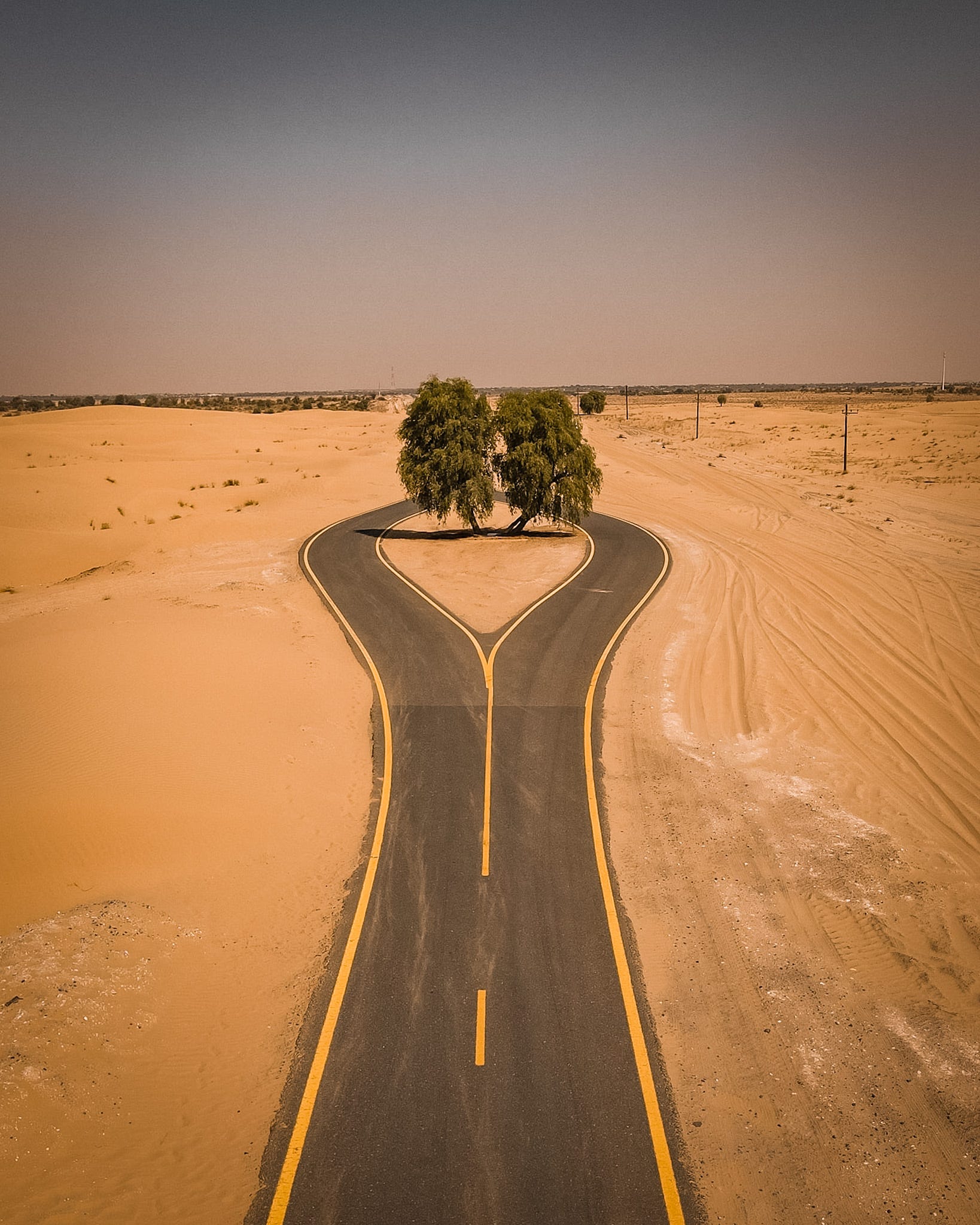
But here is my concern, and I believe it is not being spoken about clearly enough.
Some of the people leaving this summer are not coming back. Not because they do not want to. Because the roles they held no longer exist. Across industries, companies have spent the past several months and years downsizing and restructuring. Teams have been consolidated. People who were told in March that their contracts were under review have, by June, understood what that actually means. The golden visa scheme offers protection to some, but it still covers relatively few. For the majority, the visa, the right to live here, follows the job, and the job is gone.
Individuals like those are here at the nursery gates with me, waiting for their children’s school term to finish, and then they will leave — not on holiday, but for good. I wonder how many of my son’s friends will not return. I think of the teachers he noticed were absent when his nursery reopened after the government-mandated closures.
Without a word, his confused face asked where they had gone.
I saw this happen around 2016/2017, when I saw my surrounding neighbours pack up because their jobs were restructured back to Houston, Geneva or Amsterdam. Months passed while their villas remained vacant — artefacts of a vibrant community gone.
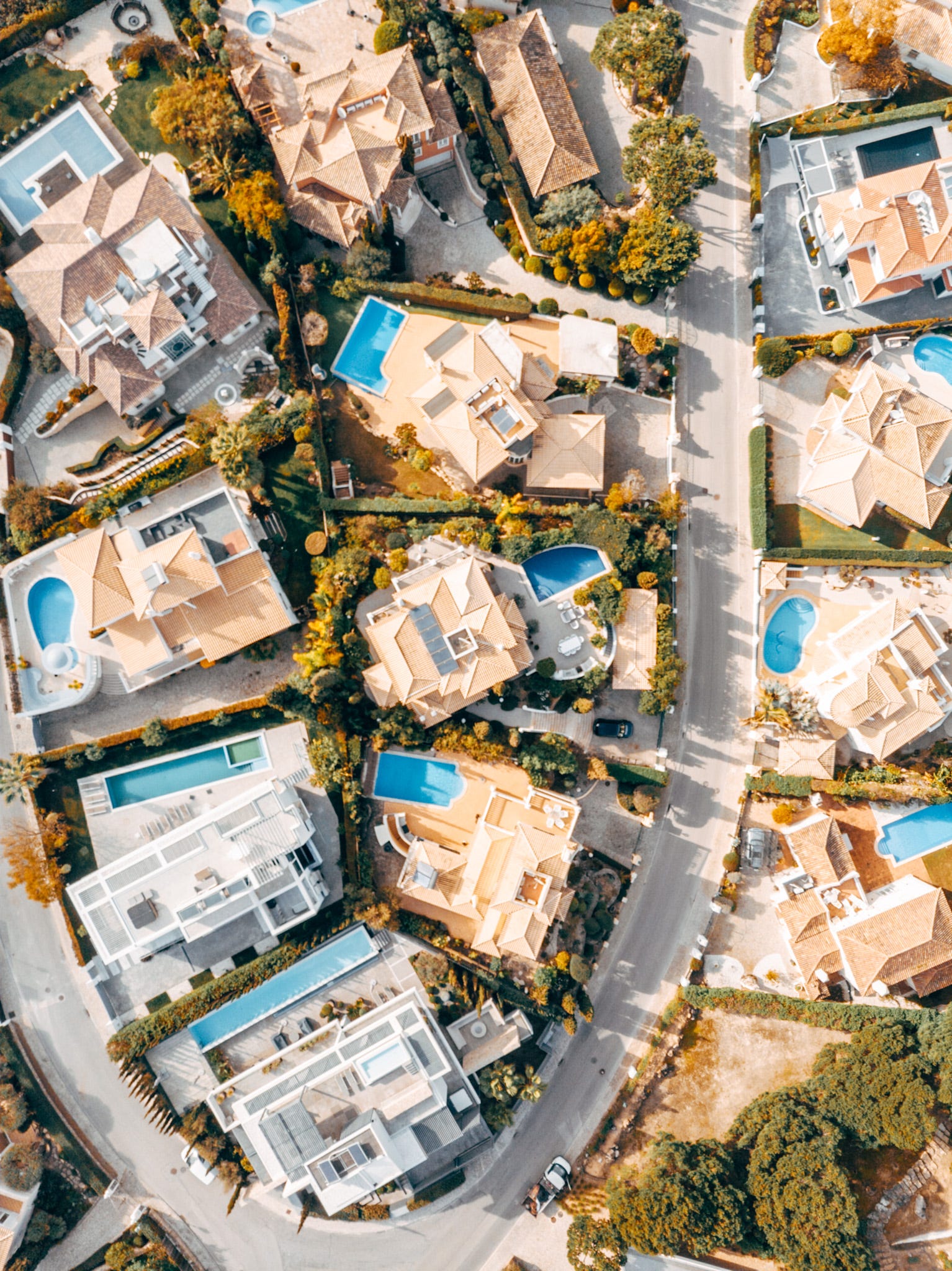
Speculating, the profile of the person who returns to Dubai in September, if the optimism proves well-founded, may look quite different from that of the person who left.
Director positions have become manager positions.
In fairness, that may not prove to be bad news, injecting a breed of younger, newly minted residents with fewer dependents and, theoretically, more disposable income, and a greater appetite for going out, eating out, and spending on experiences. But it is not the same city, and it may not produce the same spending patterns. Restaurants that survive the summer on the assumption that this September will look like last September may find themselves miscalculating.
By the way, many of those schools return in August. September is more of a euphemism. The merciful recovery, if it comes, may come gradually and unevenly, and those operators who have held on by their fingernails through this summer may need to keep holding on well into the winter months of 2026, perhaps into early 2027, before anything resembling stability returns.
I have lived here long enough to remain optimistic about Dubai’s hospitality industry and its recovery at large. To butcher Mark Twain, the reports of Dubai’s death are greatly exaggerated.
I am forever hopeful, and the city has earned that optimism through repeated reinvention.
But make no mistake: optimism without clear eyes and a plan is just a way of not preparing.
It’s 42 degrees today, and the long dark summer is here.
This week was the closing party at my son’s nursery — little faces, party food and goodbyes that neither side fully understands. They will wave and tell each other they’ll meet again in September. Some of them will. Dubai’s hospitality industry is in the same position: making the same promise, with the same uncertainty, and so far, I wonder whether it is asking the questions it should.
If you’ve read this far, you probably live here too. More of this lands in your inbox if you subscribe.
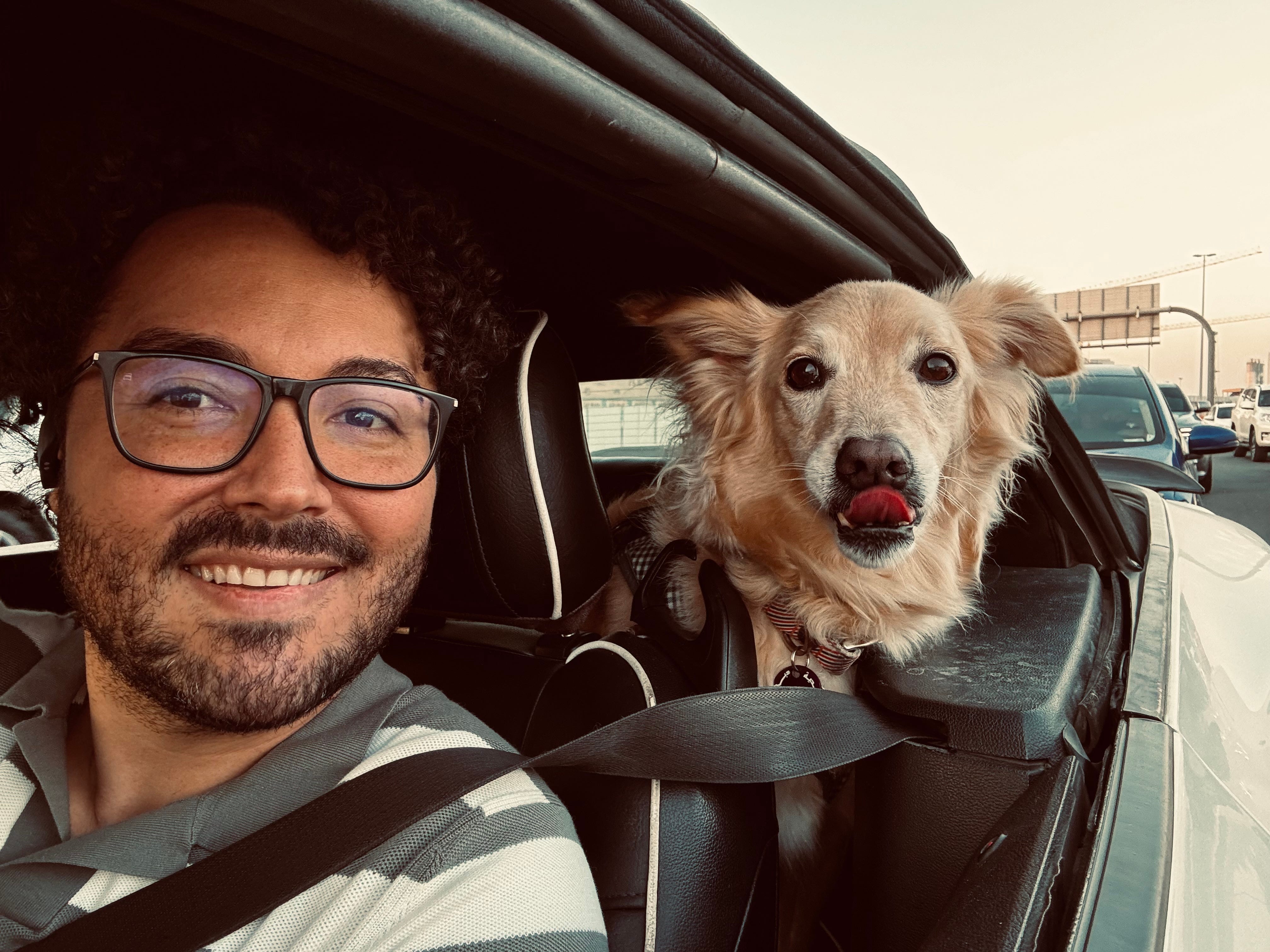
Liam is a food and travel writer based in the Middle East. He co-authored The Rise of Indian Food: Recipes Reimagined by Trèsind Studio, out now and available here. Published by Phaidon Press. Photography by Shresth Maloo. He owns EatGoSee and contributes to other publications. Find Liam on Substack, Threads and Instagram.
I had hoped to spend a few days and visit again in September before my Maldives trips but I’ll admit the current hostilities in the area scrapped that idea. Too risky given I will be travelling for work so I’m just transferring through the airport. Even then, there’s a part of me that’s worried. But hoping for better for everyone.
Nailed it again, Liam Frances Collens!